Pneumatic vs. non-pneumatic cuffs
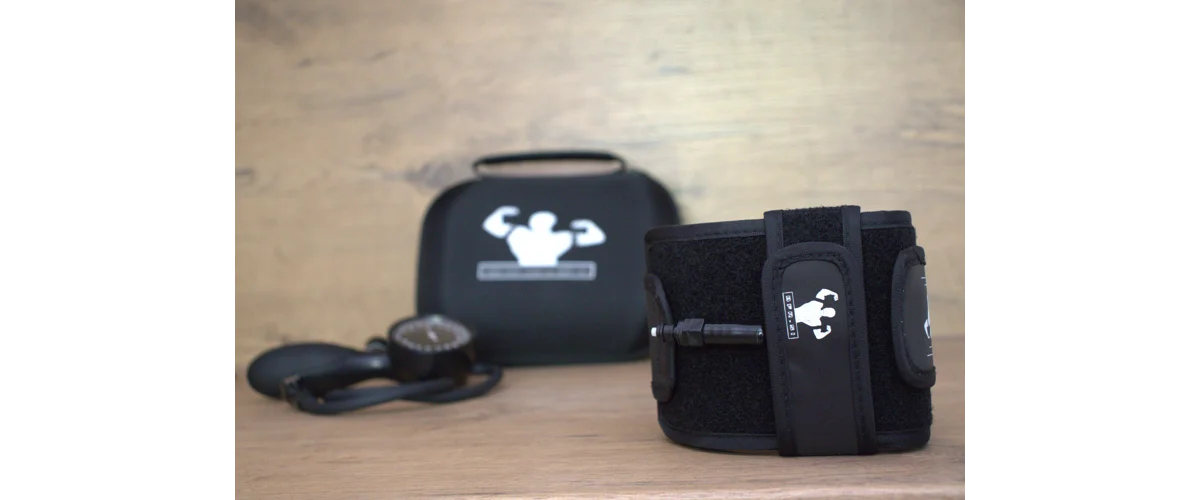
Generally we see two types of cuffs/bands being used for BFR training: pneumatic and non-pneumatic.
NON-PNEUMATIC CUFFS:
This category includes several materials used to restrict blood flow, most commonly polyester fabric bands with a plastic clip for adjusting the size. Some people also use tight elastic bands around their limbs.
While these materials are cheaper, they have their reasons for it. Since they cannot be inflated and therefore cannot accurately measure the pressure or the precise percentage of restricted blood flow, they can cause more harm than good. 
Their main drawback is the inability to objectively measure the degree of blood flow restriction, which can lead to unknowingly applying either too much or too little pressure. Too much pressure can cause harm to the body, while too little may not produce sufficient metabolic changes, making the exercise ineffective.
PNEUMATIC CUFFS:
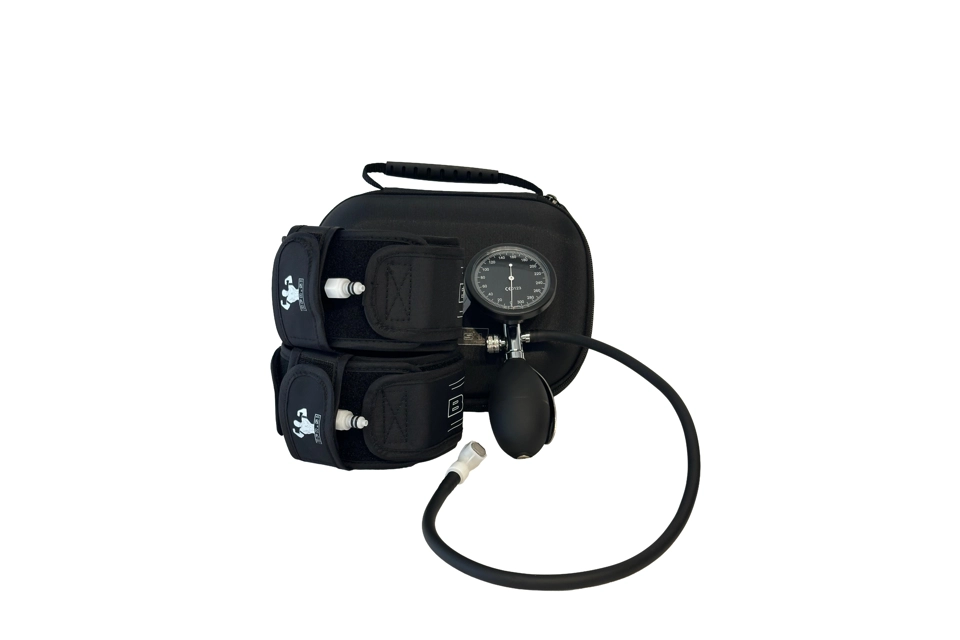
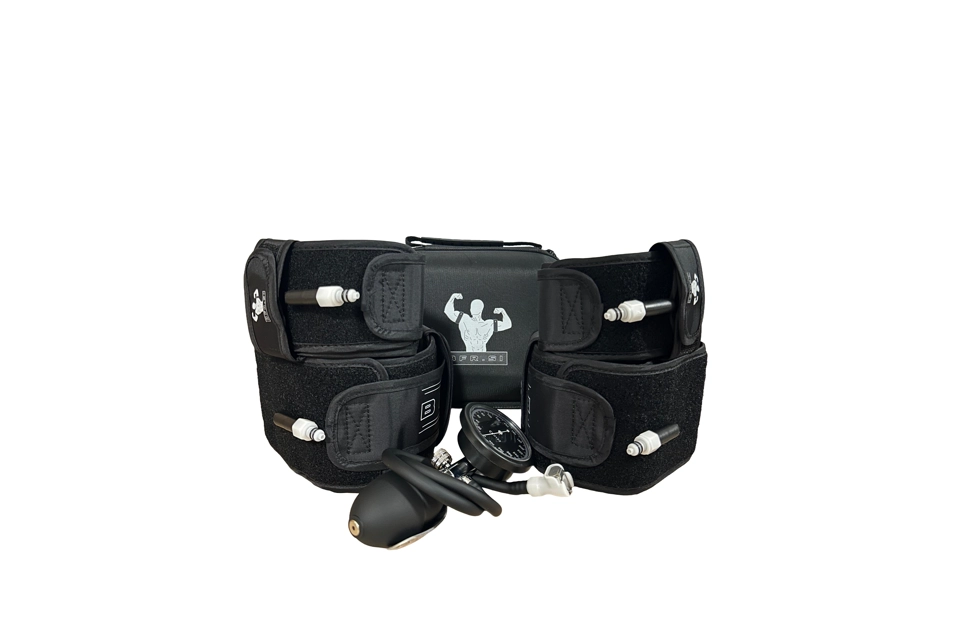
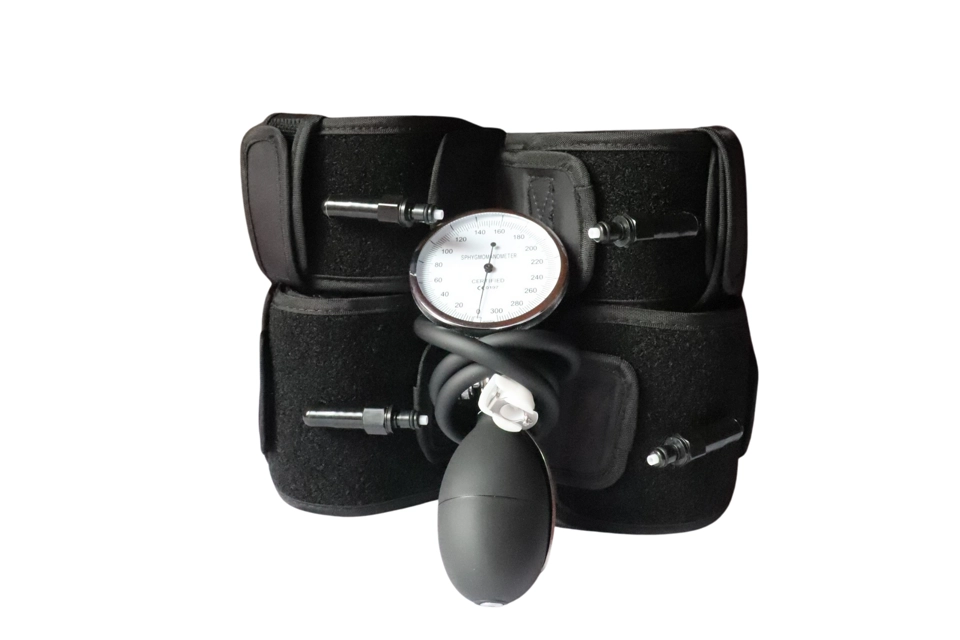
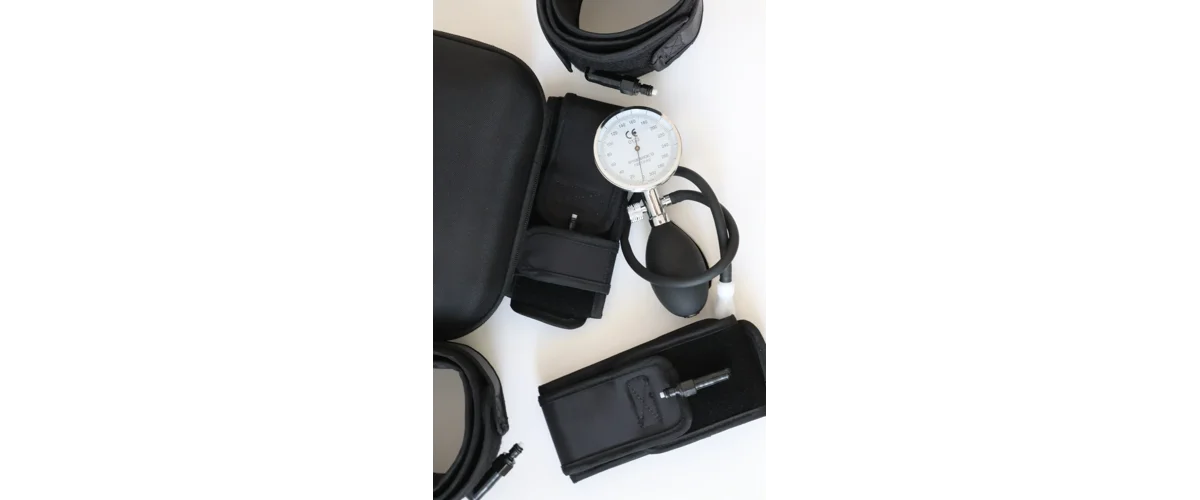
The common feature of all pneumatic cuffs is a valve and an airbag, which can be inflated with a manual pump or an automated system. With pneumatic cuffs, we can control the applied pressure in each cuff. The advantage of this is that we can objectively achieve the desired degree of blood flow restriction, allowing us to adjust the pressure in each cuff individually. Another advantage is that it is easier to monitor and progress BFR training. 
Current recommendations are stating to start with lower pressures and gradually increase them throughout rehabilitation or training processes, ensuring they never exceed 80% AOP. Additionally, pneumatic cuffs are often more comfortable to use, as they are filled with air. 
In summary, pneumatic cuffs are safer, more comfortable, and better for increasing the intensity of BFR training. Their only downside is their higher cost due to their more complex composition. For this reason, BFR.SI aims to provide affordable BFR cuffs. You can order them here.
Frequently Asked Questions About Pneumatic and Non-Pneumatic BFR Cuffs
1. What is the difference between pneumatic and non-pneumatic BFR cuffs?
Pneumatic BFR cuffs contain an inflatable air bladder that allows pressure to be adjusted using a manual pump or automated system. Non-pneumatic BFR bands, such as elastic or fabric straps, do not allow the applied pressure to be measured and adjusted as precisely. Pneumatic cuffs are generally preferred when controlled and individualized blood flow restriction is required.
2. Are pneumatic BFR cuffs safer than non-pneumatic BFR bands?
Pneumatic BFR cuffs allow more objective pressure control, helping practitioners apply an individualized training pressure. Non-pneumatic bands make it more difficult to determine the actual degree of blood flow restriction. However, pneumatic cuffs do not automatically guarantee safety: correct pressure selection, suitable equipment, and appropriate training protocols are essential.
3. Why should I use pneumatic cuffs for blood flow restriction training?
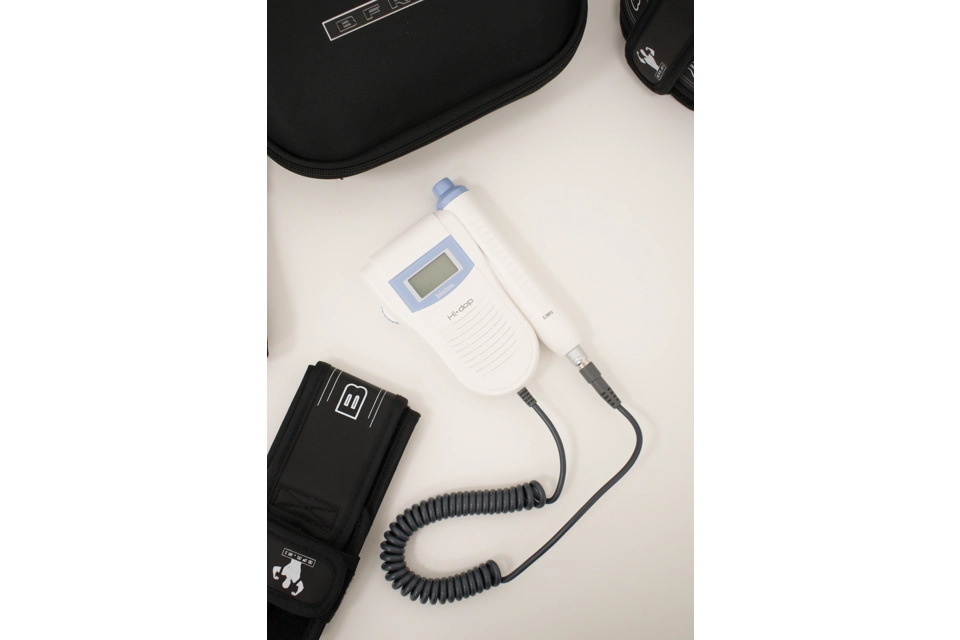
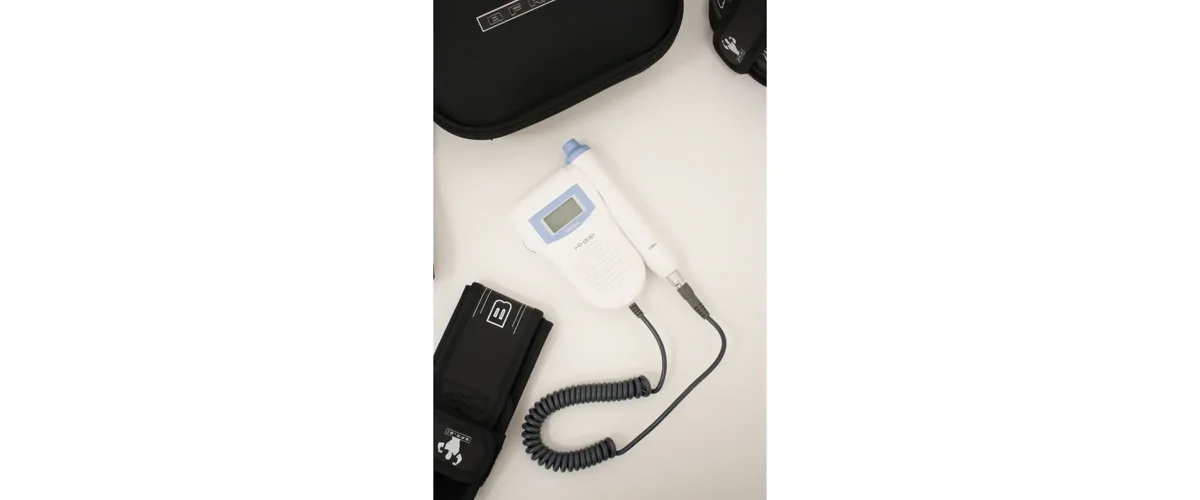
Pneumatic BFR cuffs allow users to adjust the pressure applied to each limb and progressively modify training intensity. When combined with an appropriate method of measuring limb occlusion pressure (LOP), they support more individualized BFR training. This makes them useful for physiotherapists, rehabilitation professionals, strength coaches, and other practitioners who require controlled application.
4. What pressure should I use with pneumatic BFR cuffs?
BFR training pressure should be individualized according to limb occlusion pressure (LOP), cuff characteristics, limb size, and the exercise protocol. Many resistance-training protocols use a percentage of LOP rather than a fixed pressure for everyone. Pressures of approximately 40–80% of LOP are commonly used, depending on the limb and training method. Lower pressures may be appropriate in some situations, and professional guidance is recommended when determining a suitable starting pressure.
5. Where can I buy affordable pneumatic BFR cuffs?
BFR.SI offers pneumatic BFR cuffs designed for controlled blood flow restriction training. The cuffs feature an inflatable bladder and a manual pump for pressure adjustment, making them suitable for practitioners and individuals looking for dedicated BFR equipment. Visit our BFR cuffs store to explore the available products.