BLOOD FLOW RESTRICTION TRAINING AFTER ACL RECONSTRUCTION: WHAT DOES THE LATEST RESEARCH SHOW?

Blood Flow Restriction Training After ACL Reconstruction: What Does the Latest Research Show?
Quadriceps weakness and muscle atrophy are among the most persistent challenges following anterior cruciate ligament reconstruction (ACLR). Restoring quadriceps strength is essential for regaining knee function, progressing through rehabilitation and eventually returning to sport.
However, traditional high-load resistance training is not always feasible during the early stages of postoperative rehabilitation. Pain, swelling, reduced load tolerance and surgical restrictions can limit the amount of mechanical loading patients can tolerate.
Blood Flow Restriction (BFR) training offers an alternative approach: combining low-load resistance exercise with controlled external pressure applied through a cuff around the proximal thigh.
By partially restricting arterial inflow and limiting venous outflow, BFR creates a physiological environment that may promote muscular adaptations despite relatively low external loads.
But how effective is BFR after ACL reconstruction? Can it improve quadriceps strength, preserve muscle mass and accelerate functional recovery?
Recent research, including a 2026 systematic review and meta-analysis involving 643 participants, provides encouraging but mixed findings.
In this article, we examine the current scientific evidence, discuss the clinical implications and explore how BFR can be incorporated into ACL rehabilitation.
Why is quadriceps recovery so challenging after ACL reconstruction?
Quadriceps weakness is a common consequence of ACL injury and reconstruction. Several factors contribute to postoperative muscle dysfunction:
-
Arthrogenic muscle inhibition (AMI), which reduces voluntary quadriceps activation.
-
Postoperative pain and joint effusion.
-
Reduced physical activity and mechanical loading.
-
Muscle atrophy resulting from disuse.
-
Changes in neuromuscular control and muscle recruitment.
These factors can create a challenging rehabilitation environment. Patients need progressive resistance training to restore muscle strength and size, but their ability to tolerate high mechanical loads may initially be limited.
This is where blood flow restriction training may offer an additional rehabilitation option.
How does blood flow restriction training work?
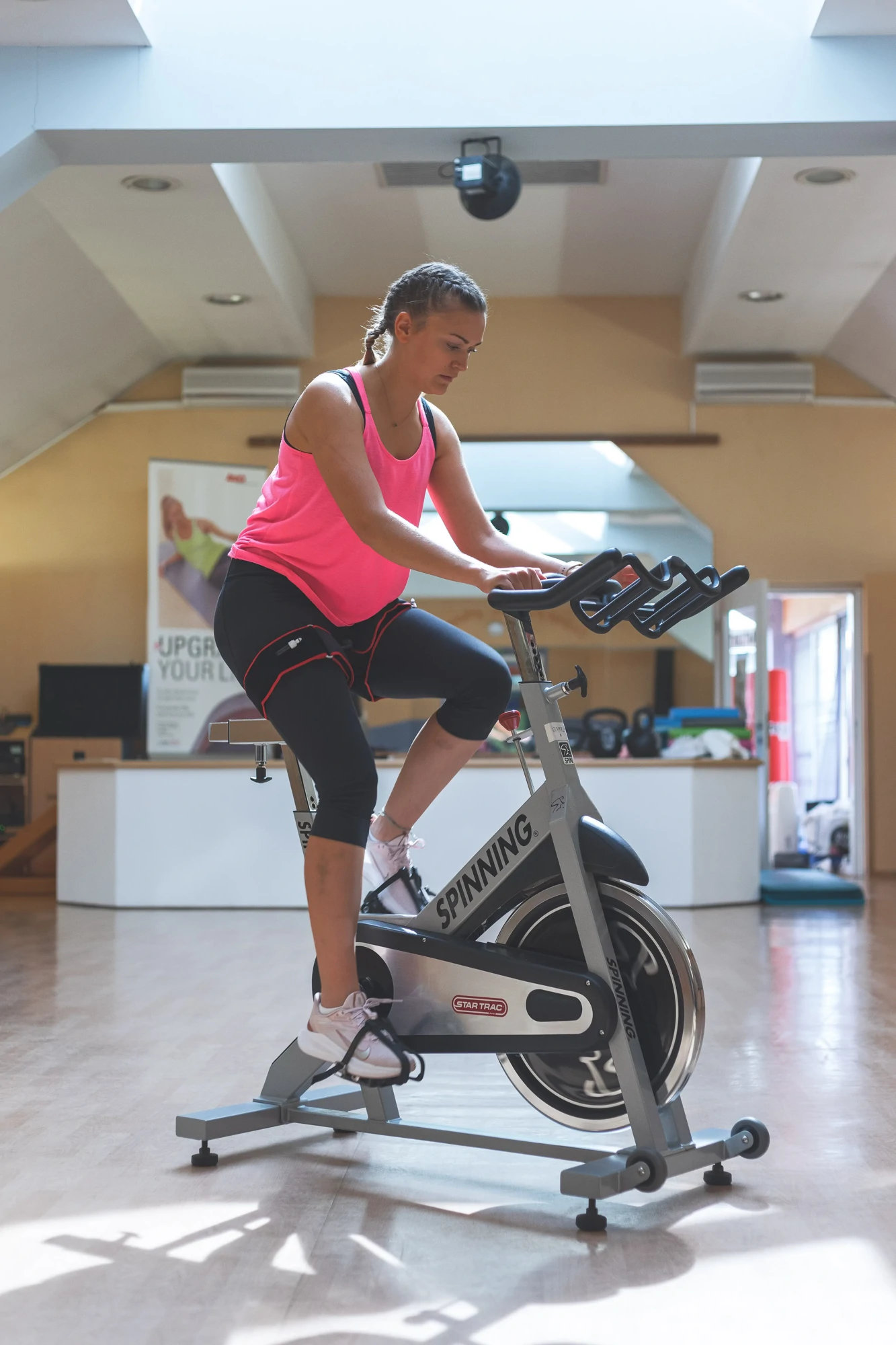
Blood Flow Restriction training involves placing a specialized pneumatic cuff around the proximal portion of the exercising limb.
The cuff is inflated to a predetermined pressure, partially restricting arterial blood inflow while significantly limiting venous return.
When combined with low-load resistance exercise, typically around 20–30% of one-repetition maximum (1RM), BFR increases the metabolic demands of exercise.
Several physiological mechanisms have been proposed to explain its effects:
-
Increased metabolic stress within the exercising muscle.
-
Changes in anabolic signalling pathways.
-
Increased recruitment of higher-threshold motor units under certain exercise conditions.
-
Cellular responses associated with muscle hypertrophy and adaptation.
The aim is to stimulate muscular adaptations while reducing the external resistance required.
For ACL rehabilitation, this is particularly relevant when conventional high-load strengthening is not yet appropriate or well tolerated.
What does the latest research say about BFR after ACL reconstruction?
The scientific evidence has expanded considerably in recent years. Several randomized controlled trials have investigated BFR following ACL reconstruction, with varying results depending on the rehabilitation stage, exercise protocol and pressure prescription.
1. Meta-analysis (2026): Evidence of improved quadriceps strength
A systematic review and meta-analysis published in the Journal of Clinical Medicine in June 2026 evaluated 17 studies involving 643 participants. Twelve studies contributed to the pooled meta-analysis.
The researchers investigated the effects of BFR on strength, functional recovery, pain, balance and other rehabilitation outcomes.
Main findings:
-
BFR significantly improved quadriceps strength compared with conventional rehabilitation.
-
Improvements in functional recovery were also reported, although the certainty of evidence was low.
-
No significant improvements were demonstrated for pain or balance.
-
No serious BFR-related adverse events were reported in the included studies.
The analysis also identified larger effects in studies using occlusion pressures above 80% of limb occlusion pressure (LOP). However, this finding was exploratory and should not be interpreted as establishing an optimal pressure prescription.
Overall, the authors concluded that moderate-certainty evidence supports the use of BFR to improve quadriceps strength after ACL reconstruction.
2. Best-evidence summary (2026): Clinical recommendations
A systematic evidence summary published in Frontiers in Rehabilitation Sciences in August 2026 evaluated 18 evidence sources, including clinical guidelines, consensus statements and systematic reviews.
The researchers identified 21 evidence points covering patient selection, contraindications, training equipment, exercise protocols, pressure prescription and safety monitoring.
Key clinical recommendations included:
-
Considering BFR during early postoperative rehabilitation.
-
Using low-load resistance exercise when higher loads are not tolerated.
-
Individualizing occlusion pressure.
-
Monitoring patient responses throughout exercise.
-
Conducting appropriate risk assessment before treatment.
The authors highlighted the importance of adapting BFR protocols to the individual patient rather than applying a universal training prescription.
3. Hughes et al. (2019): BFR compared with heavy resistance training
One of the frequently cited randomized controlled trials investigated BFR training during ACL rehabilitation.
Twenty-eight patients were assigned to eight weeks of leg press training using either:
-
Low-load resistance training with BFR at approximately 30% of maximal strength.
-
Heavy resistance training at approximately 70% of maximal strength.
Both approaches produced comparable improvements in muscle and strength outcomes.
The BFR group demonstrated additional improvements in several secondary outcomes, including pain, swelling, knee function, balance and range of motion.
These findings suggest that low-load BFR may provide a useful alternative when heavier resistance training is difficult to tolerate.
4. Vieira de Melo et al. (2022): Improvements in quadriceps and hamstring strength
This randomized study included 28 patients following ACL reconstruction and investigated the effects of BFR over a 12-week rehabilitation period.
The BFR group demonstrated:
-
Greater quadriceps strength improvements at 12 weeks.
-
Greater hamstring strength improvements at both 8 and 12 weeks.
The findings support the potential role of BFR in improving lower-limb muscle strength during postoperative rehabilitation.
5. Jack et al. (2023): Can BFR help preserve bone and muscle mass?
Jack and colleagues investigated changes in bone mineral density and muscle mass following ACL reconstruction.
Thirty-two patients were included in the study.
Using dual-energy X-ray absorptiometry (DEXA), the researchers observed that the standard rehabilitation group experienced approximately 2.6% lower-limb bone mass by week 12, whereas the BFR group did not demonstrate a significant reduction.
The BFR group also demonstrated more favourable preservation of thigh lean mass.
Although these findings are interesting, the study had methodological limitations and should be interpreted cautiously.
6. Zheng et al. (2026): BFR during mid-stage rehabilitation
A randomized sham-controlled trial published in BMC Musculoskeletal Disorders investigated BFR during postoperative weeks 13–20.
Forty-eight patients were randomized, with 43 completing the study.
Both groups performed identical low-load resistance training at 30% of one-repetition maximum. The BFR group received individualized pressure at 40% of arterial occlusion pressure, while the control group received sham BFR.
At 24 weeks, the BFR group demonstrated significantly better outcomes in:
International Knee Documentation Committee (IKDC) scores.
- Tegner Activity Scale scores.
- Knee extensor and flexor strength.
- Y-Balance Test performance.
- Quadriceps surface electromyography.
However, no significant between-group differences were found in knee range of motion or quadriceps muscle thickness.
The authors recommended cautious interpretation because baseline outcome measurements and immediate post-intervention assessments were unavailable.
Studies that found no additional benefit from BFR
Not all research has demonstrated that BFR provides additional benefits over conventional rehabilitation.
This is an important distinction when translating scientific findings into clinical practice.
Barzyk et al. (2026): Early postoperative rehabilitation
This randomized controlled trial included 30 patients following ACL reconstruction.
Researchers compared low-load resistance training with and without BFR during early postoperative rehabilitation.
Both groups improved throughout the intervention, but adding BFR did not produce significant additional benefits.
These findings suggest that BFR may not necessarily provide an advantage when patients are already responding well to conventional low-load rehabilitation.
Erickson et al. (2025): A double-blind randomized controlled trial
Erickson and colleagues investigated whether adding BFR to ACL rehabilitation could improve quadriceps muscle function.
The randomized trial included 48 athletes assigned to active BFR or sham BFR conditions.
The intervention incorporated preoperative and postoperative rehabilitation.
The researchers found no significant between-group differences in quadriceps strength, muscle morphology, muscle physiology or knee biomechanics.
The results highlight that BFR should not automatically be considered superior to a well-designed standard rehabilitation programme.
Sevinc et al. (2025): BFR combined with cross-education
This randomized clinical trial investigated whether adding BFR to cross-education training could improve quadriceps recovery following ACL reconstruction.
The addition of BFR did not demonstrate significant additional improvements in strength, muscle size or knee function compared with the control intervention.
This further demonstrates that the effectiveness of BFR depends on the rehabilitation strategy and the specific clinical context.
Summary of the evidence
| Study | Year | Participants / sources | Main finding |
|---|---|---|---|
| Xu et al. – Meta-analysis | 2026 | 643 | Improved quadriceps strength and functional recovery |
| Wang et al. – Evidence summary | 2026 | 18 sources | Supports individualized clinical application |
| Hughes et al. | 2019 | 28 | Comparable strength gains; additional benefits in secondary outcomes |
| Vieira de Melo et al. | 2022 | 28 | Greater quadriceps and hamstring strength |
| Jack et al. | 2023 | 32 | More favourable bone and muscle preservation |
| Zheng et al. | 2026 | 48 randomized | Better function and strength compared with sham BFR |
| Barzyk et al. | 2026 | 30 | No significant additional benefit in early rehabilitation |
| Erickson et al. | 2025 | 48 randomized | No significant advantage over standard rehabilitation |
| Sevinc et al. | 2025 | 24 | No additional benefit from adding BFR to cross-education |
Note: The table includes two evidence syntheses and seven individual clinical trials. The 643 participants in the meta-analysis are not additional participants to be added to the individual trial sample sizes.
Why do the results differ between studies?
Several factors may explain the inconsistent findings.
1. Timing of BFR introduction
Studies have investigated BFR at different stages following ACL reconstruction.
Some protocols introduced BFR during the first postoperative weeks, while others investigated its effects during mid-stage rehabilitation.
The patient's ability to tolerate exercise, postoperative symptoms and surgical restrictions may influence the effectiveness and suitability of BFR.
2. Individualized arterial occlusion pressure
One of the most important variables in BFR application is the pressure used during exercise.
Arterial occlusion pressure (AOP), also referred to as limb occlusion pressure (LOP), represents the pressure required to completely occlude arterial blood flow in the limb under specified measurement conditions.
BFR training typically uses a percentage of this individually measured pressure.
Pressure selection should account for factors such as:
-
Cuff width.
-
Limb circumference.
-
Individual vascular characteristics.
-
Cuff positioning.
-
Measurement conditions.
Using a standardized pressure without considering individual differences may result in insufficient or excessive restriction.
Interestingly, the 2026 meta-analysis identified larger effects in studies using pressures above 80% LOP. However, this remains an exploratory finding rather than a universal clinical recommendation.
3. Exercise intensity and training protocols
Most ACL rehabilitation studies used low-load resistance exercise, generally around 20–30% of 1RM.
However, protocols differed in:
-
Exercise selection.
-
Number of sets and repetitions.
-
Rest intervals.
-
Training frequency.
-
Cuff inflation and deflation strategies.
-
Total intervention duration.
These differences make direct comparisons between studies difficult.
4. Different comparison groups
Some trials compared BFR with heavy resistance training, others with conventional low-load exercise, and some used sham BFR.
The results may therefore reflect differences in the comparison intervention rather than the isolated effect of BFR itself.
How can BFR be incorporated into ACL rehabilitation?
Based on current evidence, BFR may be a useful adjunct when conventional resistance training is limited by postoperative symptoms or load tolerance.
Potential clinical applications include:
Early rehabilitation:
-
Low-load quadriceps activation exercises.
-
Straight-leg raises.
-
Selected knee extension exercises.
-
Low-load knee flexion exercises.
Intermediate rehabilitation:
-
Leg press.
-
Knee extension.
-
Hamstring strengthening.
-
Progressive lower-limb resistance exercises.
Late rehabilitation:
-
Supplementary low-load resistance training.
-
Muscle strengthening when heavier loading is temporarily limited.
-
Selected exercises within a progressive rehabilitation programme.
Exercise selection, loading and progression should always be determined according to the patient's clinical presentation and surgical rehabilitation protocol.
BFR should complement, rather than replace, progressive strength training, neuromuscular training and functional rehabilitation.
Is blood flow restriction training safe after ACL reconstruction?
Current research is encouraging, with no serious BFR-related adverse events reported in the 2026 meta-analysis.
However, the absence of serious adverse events in relatively small clinical trials does not establish that BFR is risk-free.
Appropriate patient screening is essential.
Potential contraindications and risk factors include:
-
Previous or current deep vein thrombosis or pulmonary embolism.
-
Significant peripheral vascular disease.
-
Certain cardiovascular conditions.
-
Uncontrolled hypertension.
-
Relevant coagulation disorders.
-
Other medical conditions that may increase the risk of vascular complications.
Patients with relevant medical history or risk factors require appropriate clinical assessment and, where indicated, medical clearance.
Following ACL reconstruction, the treating physiotherapist and surgical team should determine when BFR can be introduced and how it should be monitored.
Why is accurate pressure measurement important?
The effectiveness and safety of BFR depend partly on appropriate pressure selection.
Applying the same pressure to every patient may result in substantially different levels of vascular restriction.
For this reason, measuring individual arterial occlusion pressure is preferable to relying on subjective cuff tightness or arbitrary pressure settings.
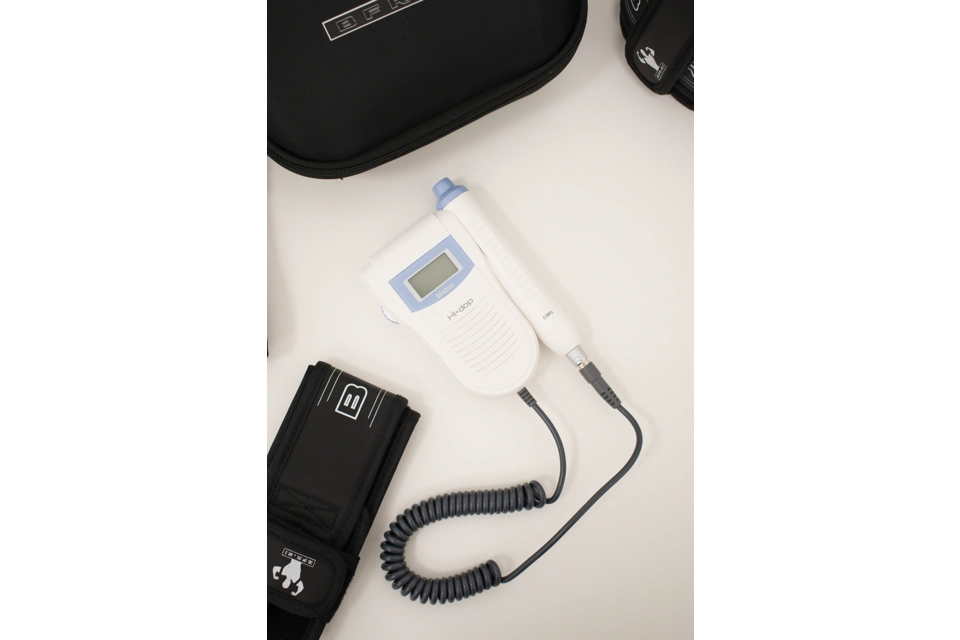
A handheld vascular Doppler ultrasound can be used to identify an arterial pulse and determine the pressure at which arterial flow is no longer detected.
Once individual AOP has been established, the clinician can prescribe an appropriate percentage of that pressure according to the selected protocol.
This approach allows BFR pressure to be individualized rather than estimated.
What should physiotherapists look for when choosing BFR cuffs?
For clinical use, BFR equipment should allow consistent and controlled application of pressure.
Important considerations include:
-
Cuff width and fit: The cuff should be appropriate for the patient's limb circumference and intended application.
-
Pressure control: The system should allow pressure to be adjusted consistently.
-
Compatibility: The cuffs should be compatible with the intended inflation system.
-
Material and durability: Equipment should withstand repeated clinical use and cleaning.
-
Practicality: Easy application and reliable connections are important during everyday rehabilitation sessions.
Explore professional BFR equipment at BFR.SI
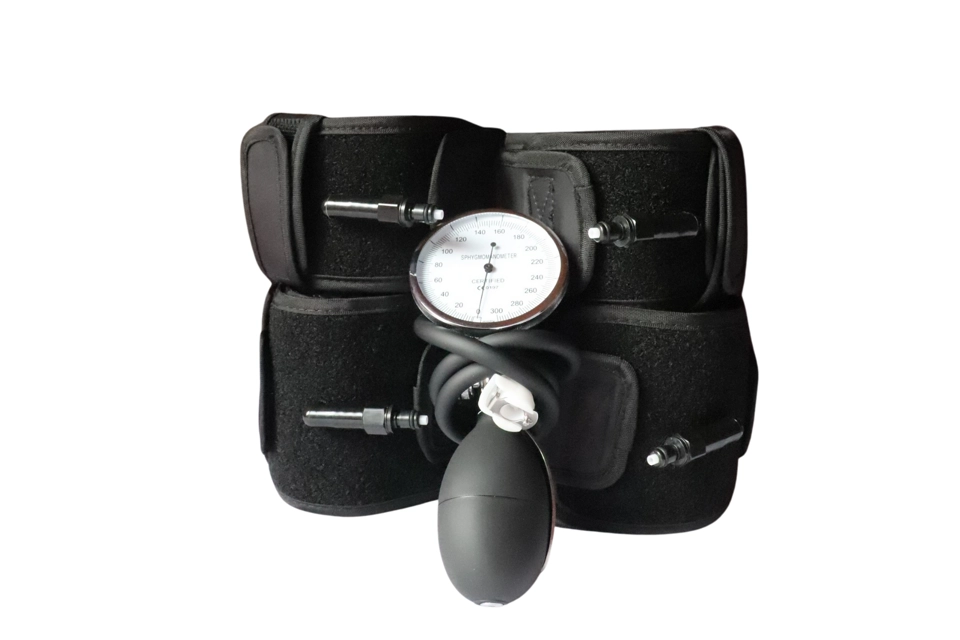
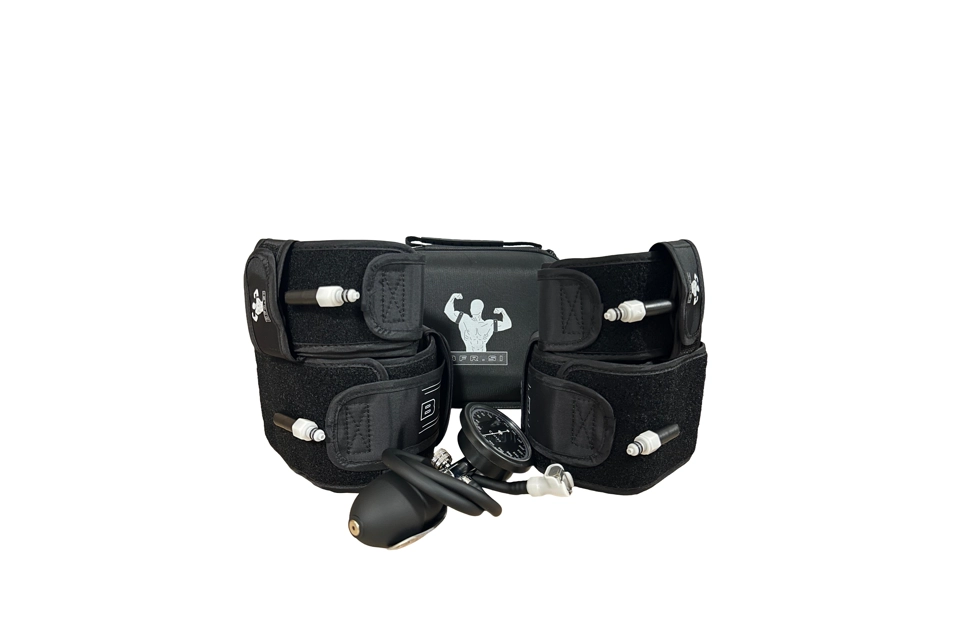
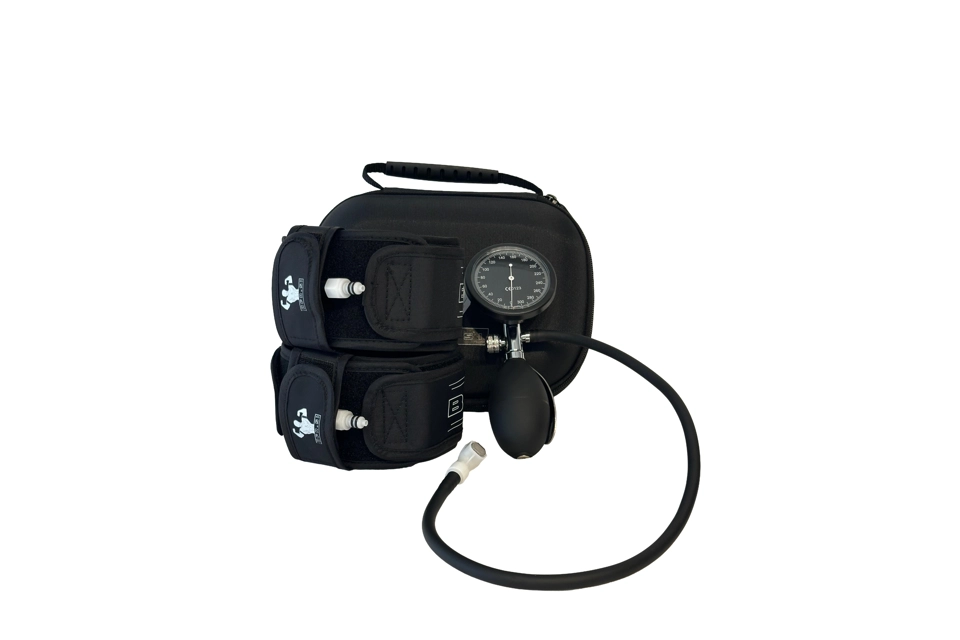
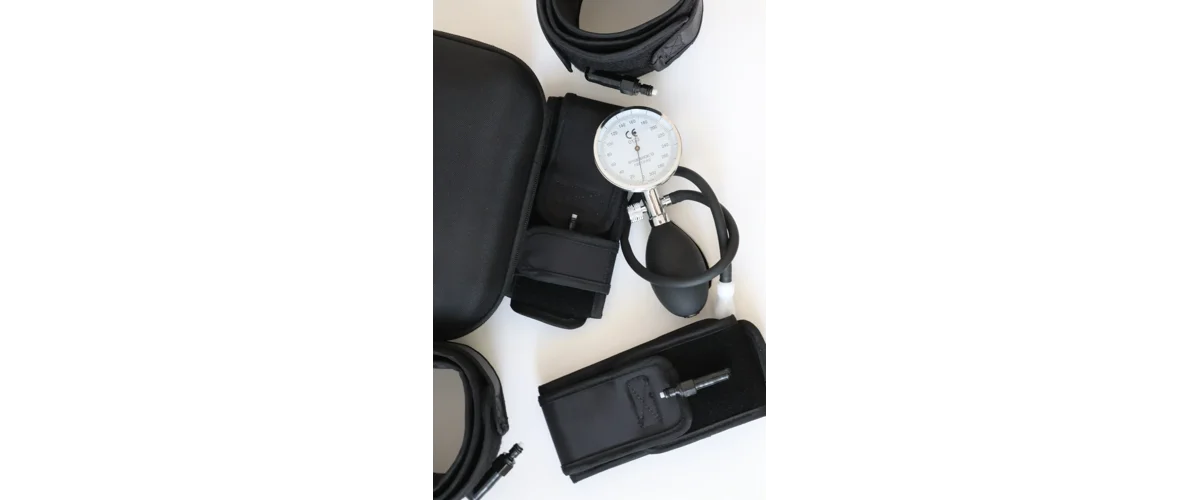
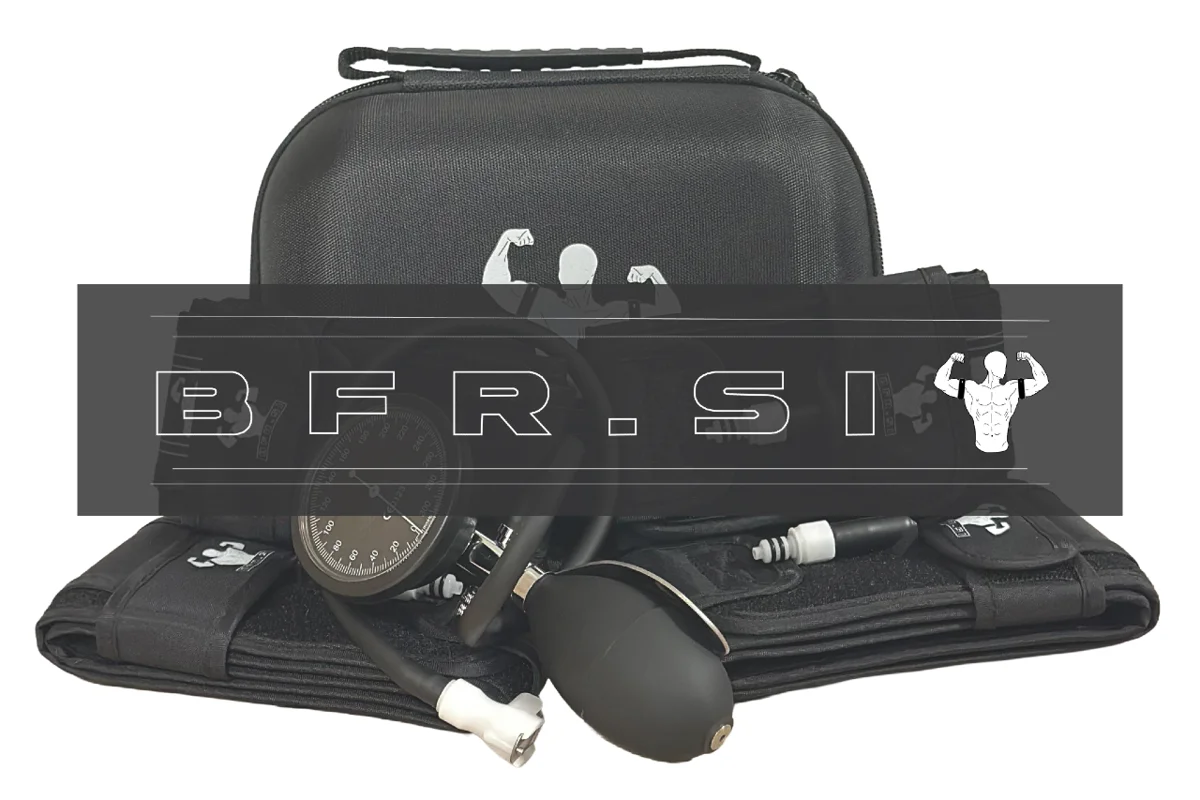
At BFR.SI, we offer pneumatic BFR cuffs designed for professional rehabilitation and training environments.
Our BFR CUFFS 2.0 feature a single-chamber pneumatic design, waterproof material and a protective double-layer connection head for improved hose fixation. They are compatible with a standard manual pressure pump.
For professionals looking to individualize BFR application, we also offer a handheld vascular Doppler ultrasound with an 8 MHz probe for arterial pulse detection and AOP measurement.
Explore our BFR CUFFS 2.0 and discover how professional BFR equipment can support your clinical practice.
Conclusion: Is BFR worth incorporating into ACL rehabilitation?
The latest evidence suggests that blood flow restriction training can be a valuable addition to rehabilitation following ACL reconstruction, particularly when the primary goal is improving quadriceps strength while using relatively low external loads.
The 2026 meta-analysis provides moderate-certainty evidence supporting improvements in quadriceps strength, while several individual trials have demonstrated benefits in muscle strength, functional outcomes and tissue preservation.
However, other well-designed trials have found no significant additional benefit over standard rehabilitation.
The most appropriate conclusion is that BFR is a useful clinical tool, not a universal replacement for conventional strength training or a guaranteed way to accelerate recovery.
Its application should be individualized, based on the patient's clinical presentation, rehabilitation stage, pressure prescription and tolerance to exercise.
For physiotherapists and sports rehabilitation professionals, understanding how to measure arterial occlusion pressure and select appropriate BFR equipment is an important part of implementing this technique responsibly.
Frequently Asked Questions (FAQ)
Does BFR training improve quadriceps strength after ACL reconstruction?
Yes. A 2026 systematic review and meta-analysis involving 643 participants found moderate-certainty evidence that BFR can improve quadriceps strength following ACL reconstruction. However, individual trials have reported mixed results.
When can you start BFR after ACL reconstruction?
Some evidence summaries support considering BFR during early postoperative rehabilitation, potentially within the first 1–2 weeks. However, the timing must be determined by the treating clinician according to surgical restrictions, patient presentation and clinical screening.
What percentage of 1RM is used during BFR training?
Most ACL rehabilitation studies used low external loads of approximately 20–30% of one-repetition maximum. The actual exercise prescription should be individualized.
What percentage of arterial occlusion pressure should be used?
BFR protocols vary, with many studies using approximately 40–80% of individualized arterial occlusion pressure. The 2026 meta-analysis reported larger effects above 80% LOP, but this was exploratory and does not establish a universal optimal pressure.
Is BFR better than heavy resistance training after ACL reconstruction?
Not necessarily. Some studies have demonstrated comparable strength gains between low-load BFR and heavy resistance training. BFR may be particularly useful when heavier external loads are not appropriate or well tolerated.
Can BFR prevent quadriceps atrophy after ACL surgery?
Some studies suggest that BFR may help preserve muscle mass during postoperative rehabilitation. However, the evidence is not yet conclusive.
Do you need a Doppler ultrasound for BFR training?
A handheld vascular Doppler is a useful tool for measuring individual arterial occlusion pressure. This allows the clinician to prescribe pressure based on the patient's vascular response rather than relying on arbitrary settings.
Disclaimer: This article is intended for educational purposes and does not replace individualized medical assessment or professional rehabilitation advice. BFR following ACL reconstruction should only be introduced following appropriate clinical screening and in accordance with the patient's surgical and rehabilitation protocol.
References
-
Xu N, Wang T, Guo R, Hong Y, Dudonienė V. The Effectiveness of Blood Flow Restriction Training on Rehabilitation After Anterior Cruciate Ligament Reconstruction: A Systematic Review and Meta-Analysis. J Clin Med. 2026;15(12):4706. https://doi.org/10.3390/jcm15124706
-
Wang Y, Wang F, Xu B, Yin X. Summary of the best evidence on blood flow restriction training for patients after anterior cruciate ligament reconstruction surgery. Front Rehabil Sci. 2026;7:1806660. https://doi.org/10.3389/fresc.2026.1806660
-
Hughes L, Rosenblatt B, Haddad F, et al. Comparing the effectiveness of blood flow restriction and traditional heavy load resistance training in the post-surgery rehabilitation of anterior cruciate ligament reconstruction patients: a UK National Health Service randomised controlled trial. Sports Med. 2019. https://doi.org/10.1007/s40279-019-01137-2
-
Vieira de Melo RF, Komatsu WR, de Freitas MS, Vieira de Melo ME, Cohen M. J Rehabil Med. 2022;54:2550. https://doi.org/10.2340/jrm.v54.2550
-
Jack RA II, Lambert BS, Hedt CA, Delgado D, Goble H, McCulloch PC. Sports Health. 2023. https://doi.org/10.1177/19417381221101006
-
Zheng Q, Chen L, Zhu Y, Wang R, Chen P. Blood flow restriction as an adjunct during mid-stage rehabilitation after ACL reconstruction: a randomized sham-controlled study. BMC Musculoskelet Disord. 2026;27:550. https://doi.org/10.1186/s12891-026-09908-5
-
Barzyk P, Fiedler C, Schlag M, Heitner A, Bender J, Paul J. Effect of blood flow restriction training in early postoperative rehabilitation after ACL reconstruction: a randomised controlled trial. Front Sports Act Living. 2026;7:1689257. https://doi.org/10.3389/fspor.2025.1689257
-
Erickson LN, Owen MK, Casadonte KR, et al. The Efficacy of Blood Flow Restriction Training to Improve Quadriceps Muscle Function after Anterior Cruciate Ligament Reconstruction. Med Sci Sports Exerc. 2025;57(2):227–237. https://doi.org/10.1249/MSS.0000000000003573
-
Sevinc C, Gürler V, Harput G, Ocguder A, Ergen FB, Tunay VB. Blood flow restriction training with cross education for quadriceps muscle recovery after anterior cruciate ligament reconstruction: A prospective, randomized, controlled, single-blind clinical trial. Knee Surg Sports Traumatol Arthrosc. 2025;33(9):3088–3097. https://doi.org/10.1002/ksa.12553