What is BFR ?!
Blood flow restriction (BFR) training is a technique that has gained popularity in recent years for its ability to produce significant gains in muscle size and strength using lighter weights. BFR training involves the use of restrictive bands or cuffs, to limit blood flow to the working muscles during exercise. By reducing the amount of oxygen and nutrients supplied to the muscles, the body is forced to rely on anaerobic metabolism, leading to increased muscle activation and growth.
Research has shown that BFR training can produce similar results to heavy weightlifting, with the added benefit of reduced muscle damage and enhanced recovery. This makes BFR an attractive option for individuals with limitations, such as injury or aging, who may not be able to handle the stress of heavy weightlifting. Additionally, BFR can be used in combination with traditional weightlifting, allowing for a more comprehensive workout routine.
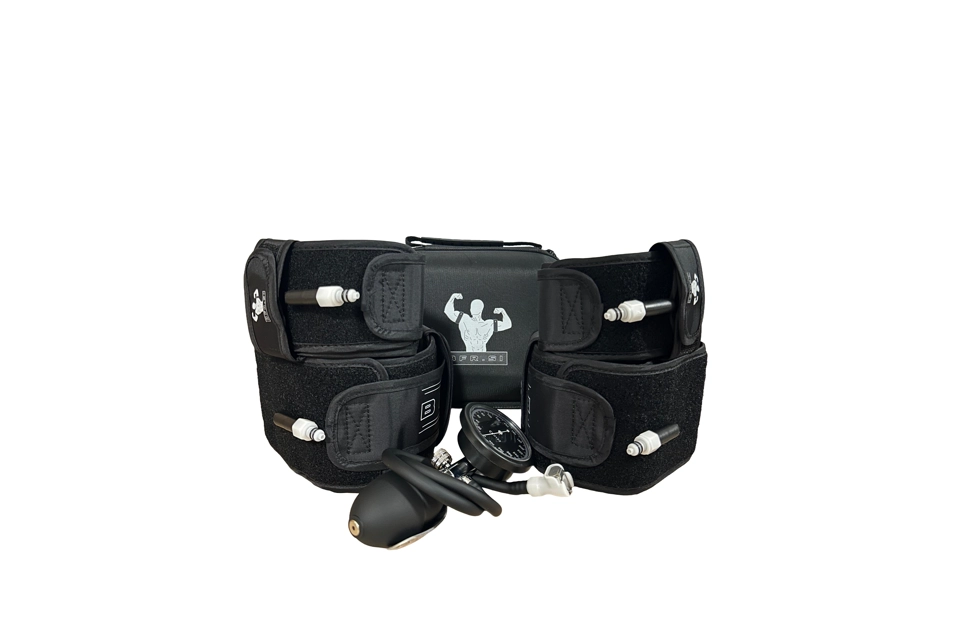
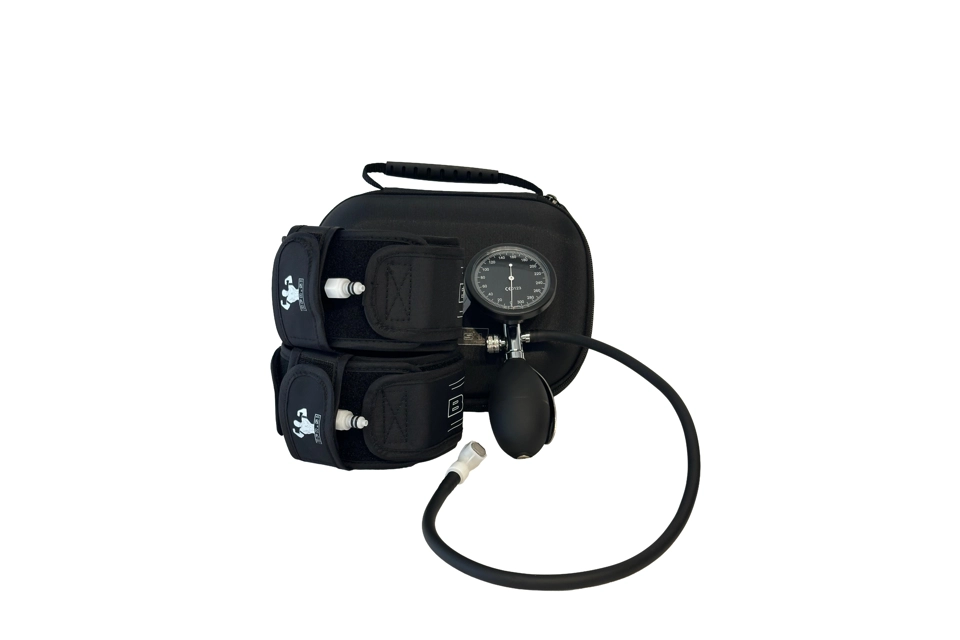
It is important to note that proper training protocols and device use are crucial in BFR training to ensure safety and effectiveness. To allow safe, efficient and objectively measured workouts it is recommended to use cuffs instead of bands. That is why you will only find cuffs in our store.
In conclusion, BFR training is a promising alternative for those looking to increase muscle size and strength, enhance recovery, and reduce muscle damage. With proper use and training, BFR can be a valuable tool for individuals of all fitness levels and backgrounds. Whether used alone or in combination with other forms of exercise, BFR is a technique that has the potential to revolutionize the way we approach strength training and rehabiliation.
Frequently Asked Questions About BFR Training and BFR Cuffs
1. What are BFR cuffs and how do they work?
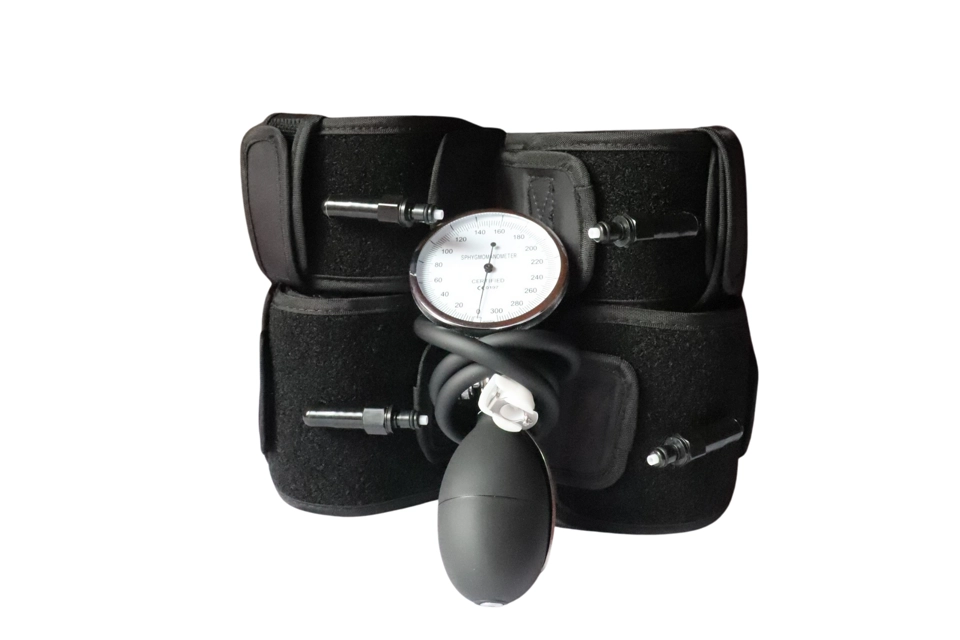
BFR cuffs (Blood Flow Restriction cuffs) are specialized devices used during exercise to partially restrict blood flow to the working muscles. When combined with low-load resistance training, BFR can stimulate muscle growth and strength gains without requiring heavy weights. Pneumatic BFR cuffs allow controlled pressure adjustment and more precise application than ordinary restrictive bands.
2. What are the benefits of blood flow restriction (BFR) training?
BFR training can help increase muscle size and strength using lighter weights than traditional resistance training. It can be particularly useful in rehabilitation, when heavy loading is not appropriate, and for individuals seeking an alternative approach to strength training. Research also supports its use in selected rehabilitation settings, although results and recovery benefits vary between individuals.
3. Are BFR cuffs better than BFR bands?
Pneumatic BFR cuffs offer adjustable pressure and allow more controlled application than elastic BFR bands. When used with an appropriate protocol, they can support more standardized training and pressure monitoring. For professionals and individuals prioritizing controlled blood flow restriction, dedicated BFR cuffs are generally preferable to improvised bands.
4. Are BFR cuffs safe for rehabilitation and muscle strengthening?
BFR training can be safe when appropriate equipment, individualized pressure, and suitable exercise protocols are used. However, it is not suitable for everyone. People with cardiovascular or vascular conditions, a history of blood clots, uncontrolled hypertension, or other relevant medical risk factors should seek medical assessment before starting BFR training. Professional guidance is recommended, particularly in rehabilitation settings.
5. Why use a vascular Doppler ultrasound with BFR cuffs?
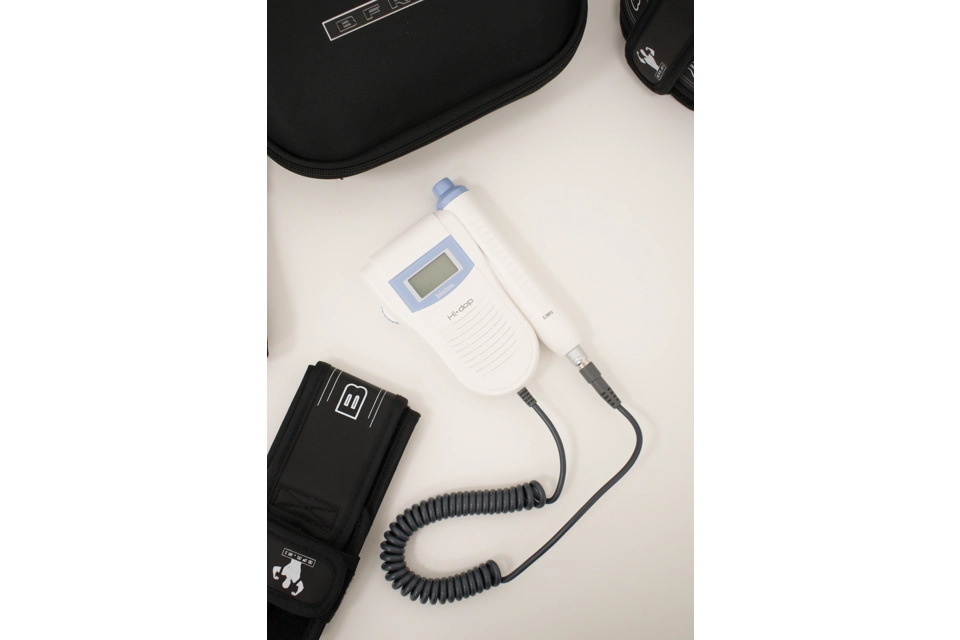
A vascular Doppler ultrasound can help practitioners detect arterial blood flow and measure limb occlusion pressure (LOP), which is used to determine an individualized BFR training pressure. Using a Doppler ultrasound alongside pneumatic BFR cuffs can support more objective pressure selection and a more controlled training approach. At BFR.SI, you can explore our BFR cuffs and vascular Doppler ultrasound equipment.